

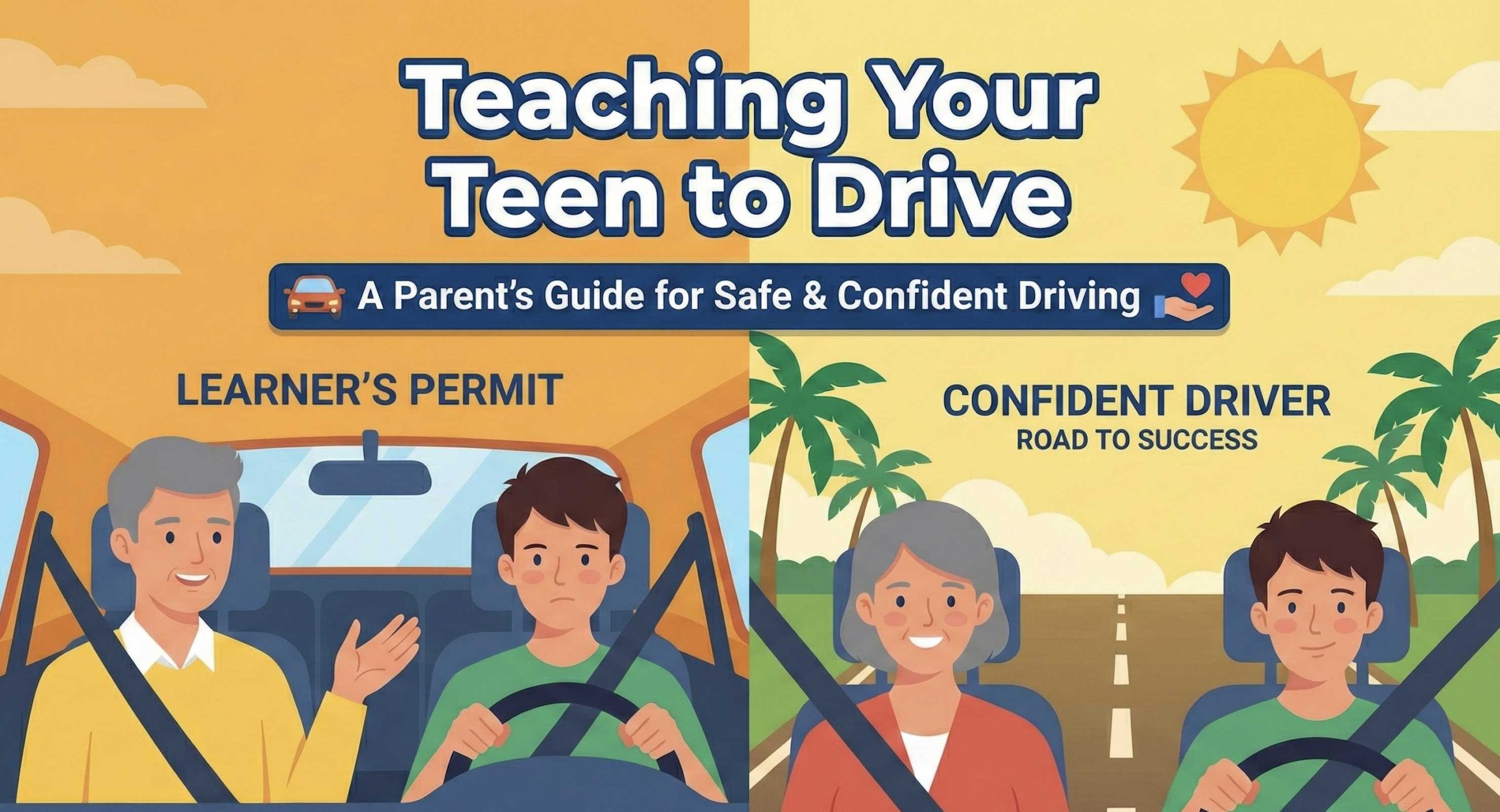
The Ultimate Guide to Teaching Your Teen to Drive: A Comprehensive, Parent-Focused Roadmap for Safety and Confidence
According to national safety experts, car crashes remain the leading cause of death for teens. That is why strong instruction, grounded in patience, structure, and proven driving principles, is more important now than ever. Resources such as teen driving guides can help parents better understand the risks new drivers face and what to focus on early.
This guide provides a complete, step-by-step framework modeled after industry-leading safety recommendations, along with expert-supported insights to help you coach your teen confidently. You will also learn why structured education, including our Teaching Your Teen to Drive course, is such a powerful addition to hands-on driving practice at home.
Begin with Vehicle Familiarization: Building Comfort Before Motion
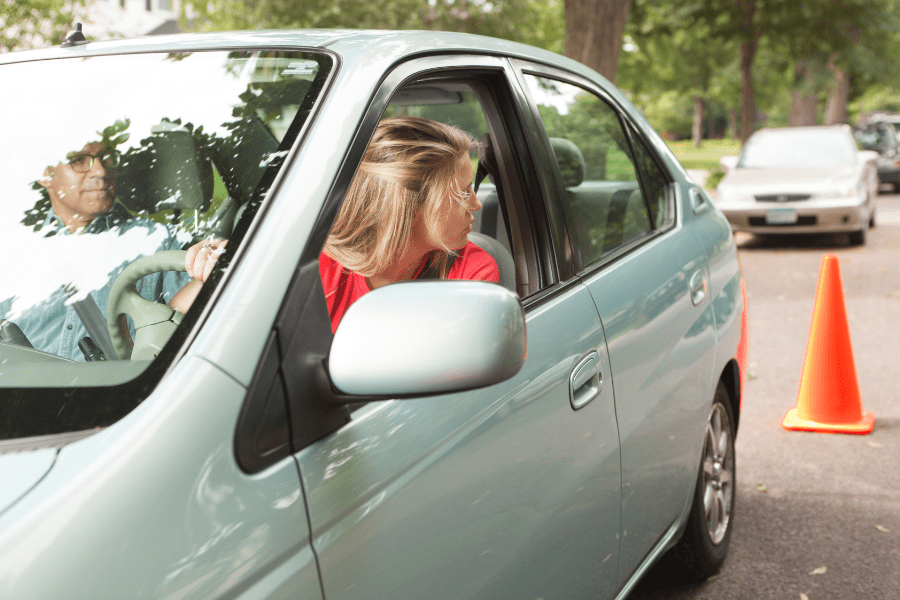
Before the engine starts, give your teen a thorough introduction to the vehicle. Helping them understand the controls reduces anxiety and builds essential safety awareness.
Walk them through adjusting the seat and mirrors for full visibility, understanding dashboard indicators and warning lights, locating and using headlights, turn signals, hazard lights, windshield wipers, and climate controls, using the parking brake correctly, and adjusting the steering wheel tilt.
Encourage your teen to practice these functions while parked. This helps them build muscle memory and prevents dangerous fumbling later.
Vehicle Familiarization Checklist
| Area | What to Cover | Why It Matters |
|---|---|---|
| Seat and steering wheel | Distance from pedals, steering wheel height and reach | Ensures control of the vehicle and reduces fatigue. |
| Mirrors | Side and rearview adjustment to minimize blind spots | Improves awareness of surrounding traffic. |
| Dashboard indicators | Speedometer, fuel gauge, warning lights | Helps your teen notice and respond to issues early. |
| Lights and signals | Headlights, high beams, turn signals, hazard lights | Makes the vehicle visible and communicates intentions to others. |
| Wipers and climate controls | Wiper speeds, defrost, heater, AC controls | Maintains visibility and comfort in changing conditions. |
| Parking brake | How and when to set and release it | Prevents rolling on inclines and adds security when parked. |
Start Driving in a Controlled, Low Pressure Environment
Focus on foundational skills such as smooth braking and acceleration, maintaining consistent speed, steering control and hand over hand turning, backing up safely, and pulling into and out of parking spaces.
Use calm, clear communication. Teens often mirror your tone, so relaxed coaching helps create relaxed drivers.
Pro tip for parents
Keep these first sessions short. Ten to twenty minutes of focused practice is better than an hour of driving that ends with frustration or fatigue.
Transition Gradually to Real Roads, But Only When Ready
As confidence grows, layer in more complexity. Work on reading and responding to signs, navigating four way stops, making right and left turns at intersections, managing lane position, and understanding right of way rules.
Move forward only when your teen masters each skill set. Advancing too fast is one of the most common parent mistakes and one of the most dangerous.
Defensive Driving: The Core Skill That Protects Teen Drivers
Defensive driving is not just another skill; it is a mindset. Teens must learn to anticipate hazards before they become threats.
Key defensive driving habits include maintaining safe following distances, scanning far ahead of the vehicle instead of focusing only on what is directly in front, checking mirrors every five to eight seconds, identifying unpredictable drivers or unsafe behaviors, keeping escape routes in mind during traffic, and understanding blind spots.
Research shows that new drivers often struggle most with hazard detection. Reinforcing defensive habits early can significantly reduce crash risk.
Defensive Driving Focus Areas
| Habit | What to Look For | Benefit |
|---|---|---|
| Scanning ahead | Traffic slowing, brake lights, pedestrians, turning vehicles | Gives more time to react and adjust speed. |
| Mirror checks | Cars approaching quickly, vehicles in blind spots | Improves awareness and supports safe lane changes. |
| Following distance | At least three seconds behind the car in front in good conditions | Reduces rear end collision risk. |
| Escape routes | Open lanes or shoulders in case traffic stops suddenly | Helps your teen avoid panic in sudden slowdowns. |
Establish Clear House Rules and Expectations
Driving privileges come with responsibility. Set strong guidelines early so that expectations are clear for everyone.
These guidelines might include:
- Zero phone use behind the wheel, even at stoplights
- Always wearing seat belts, for both driver and passengers
- Limits on passengers during the first months of driving
- Nighttime driving restrictions
- No food, loud music, or other high distraction behaviors while driving
Explain the purpose behind each rule. Teens respond better when they understand how their choices directly impact safety.
Create Practice Sessions in Challenging Conditions
Not all driving will happen on clear days with light traffic. Teens need exposure to the types of conditions they will eventually face on their own.
Gradually introduce night driving, rain and slick roads, multi lane roadways, moderate traffic, highway merging and spacing, and light urban driving.
The more varied the practice environment, the stronger your teen’s decision making abilities become.
Challenging Conditions Practice Planner
| Condition | Skills to Practice | When to Introduce |
|---|---|---|
| Night driving | Headlight use, reduced visibility, judging distances in the dark | After your teen is confident on the same routes in daylight. |
| Rain and wet roads | Longer stopping distances, gentle braking, avoiding standing water | On familiar roads, at lower speeds and light traffic. |
| Multi lane roads | Lane changes, merging, lane discipline | After mastering single lane neighborhood and local roads. |
| Highway driving | Merging at speed, maintaining safe following distance, using exits | Only when your teen shows strong control and awareness at lower speeds. |
Common Pitfalls Parents Should Avoid
Even the most well intentioned parents can unintentionally create unsafe learning conditions if they are not careful.
Avoid teaching multiple complex skills at the same time, raising your voice or showing frustration, allowing practice sessions that are too long, and failing to model good driving behavior yourself. Teens imitate far more than they are told, so your example matters.
Your coaching style is just as important as the specific skills you cover behind the wheel.
Parent Coaching Pitfalls and Better Alternatives
| Pitfall | Why It Is a Problem | Better Approach |
|---|---|---|
| Teaching too much at once | Overwhelms your teen and leads to confusion. | Focus each session on one or two skills. |
| Raising your voice | Increases anxiety and can lead to overcorrection. | Use calm, specific feedback and pull over if needed. |
| Sessions that run too long | Fatigue reduces focus and reaction time. | Keep early sessions short and positive. |
| Modeling poor habits | Teens copy what they see more than what they hear. | Drive the way you want your teen to drive. |
Why Professional Instruction and Structured Learning Matter
Parents provide real world practice, but structured educational content can dramatically improve safety outcomes. Expert developed programs help teens understand why crashes happen and how to prevent them, and they give parents a clear roadmap to follow.
This is where the Teaching Your Teen to Drive course becomes especially valuable. The course blends years of safety research with practical tools that help parents guide their teens through every stage of the learning process.
American Safety Institute’s Teaching Your Teen to Drive Course
The ASI course is designed specifically for parents and guardians who want clear, step by step methods for coaching their teen effectively.
Highlights include twenty one short video modules that fit into busy schedules, content designed to address the most common teen driving errors, real world insights from safety experts, practical techniques you can apply immediately during practice sessions, and lifetime access so you can revisit lessons whenever you need a refresher.
Parents consistently report that the course increases confidence for both themselves and their teens and helps eliminate uncertainty about what to teach next.
Final Thoughts: Your Guidance Is the Key to a Safe Teen Driver
The journey toward independent driving is emotional, exciting, and transformative. It marks a major step toward adulthood, and it requires guidance that is patient, consistent, and grounded in safety. When you combine structured instruction, steady practice, clear expectations, and evidence based teaching tools, you give your teenager far more than the ability to operate a vehicle. You give them the confidence to make responsible decisions, the awareness to recognize risks before they happen, and the skills to protect themselves and others on the road.
Your support during this process becomes a foundation they will carry into every driving situation for the rest of their lives. The time you invest today helps shape safer habits, stronger judgment, and a level of independence they can grow into with pride and maturity. Few milestones matter more, and your involvement makes all the difference.